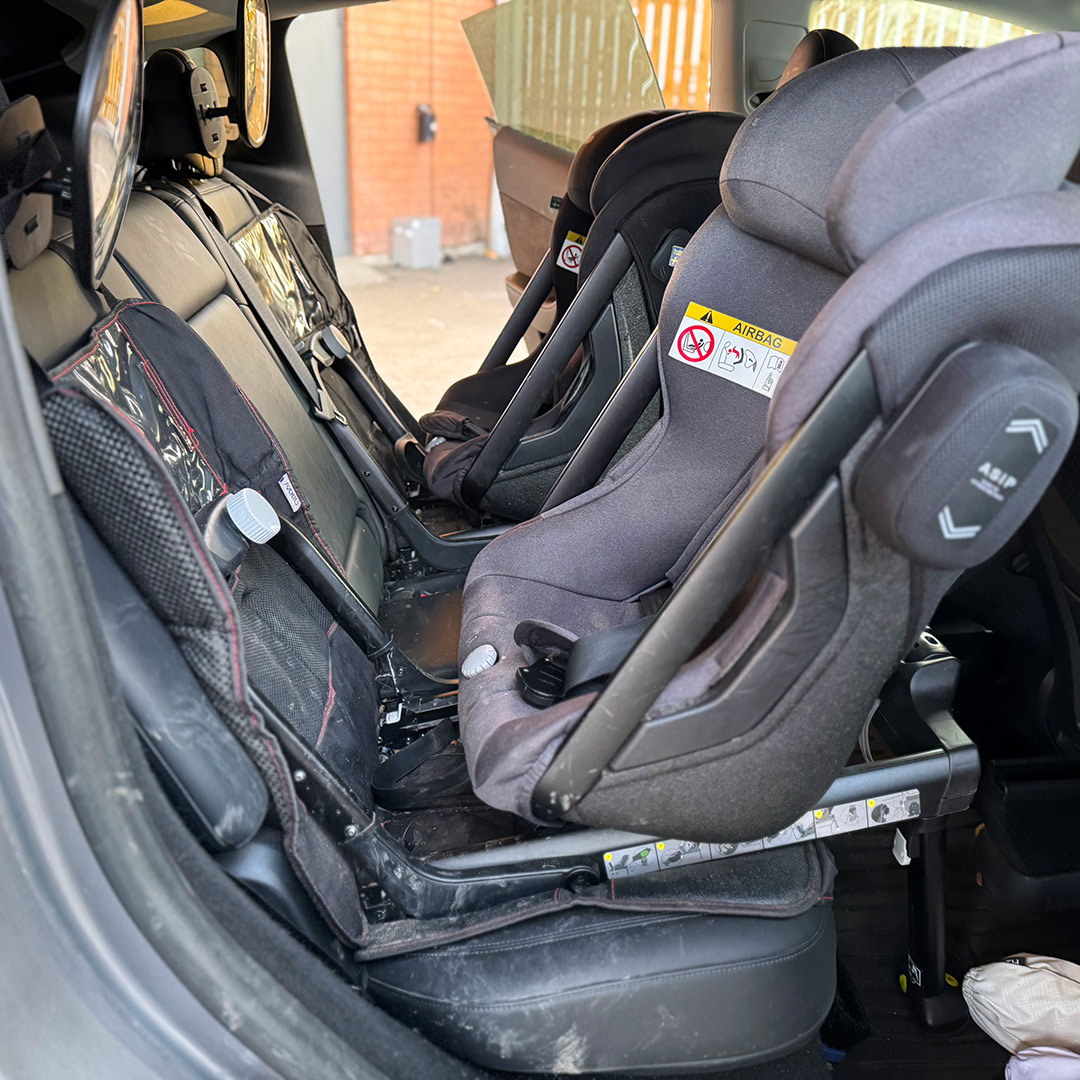
Gentlemen’s Agreement – A Swedish (rear facing) secret
In Sweden we have habits that people outside Scandinavia find strange. Such as rear facing to 4+ years (usually far longer), tether straps, bracing against front seat and children in the front seat with airbag off. But we also have a secret. A well kept secret few know about. Something simple and effective which likely has saved hundreds of children’s lives. It’s our Swedish “Gentlemen’s agreement”.
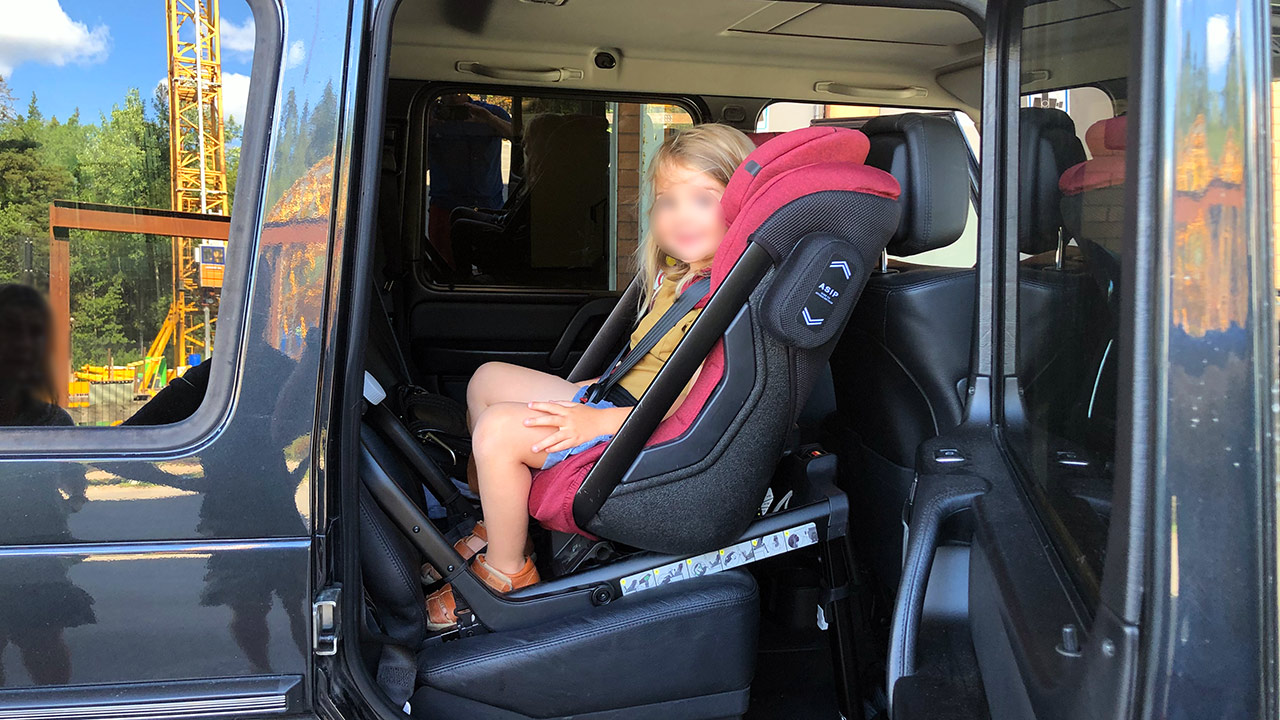
Even in Sweden very few people know that we have an unofficial agreement with many of the largest manufacturers of car seats. During the past 50+ years we have in Sweden constantly talked, informed, discussed, preached, pleaded, nagged and put pressure on others to keep children rear facing. The major manufacturers of car seats operate globally and in most countries outside Sweden children are turned forward incredibly early. Often immediately after the infant seat and years before the children should actually sit forward facing.
To keep dangerous seats away from Sweden we have an agreement that forward facing seats for young children should neither be displayed on Swedish websites nor sold in stores. It’s our Gentlemen’s agreement.
With today’s online shopping, it is always possible to find forward facing seats from useless stores. A very large online store in Sweden has repeatedly tried to sell forward facing seats for small children. And has of course right away been completely slaughtered on social media. Even though it’s 2026, several stores also sell seats with impact shield which are the absolute worst choice one can make.
The “Gentlemen’s agreement” approach requires someone to make decisions, a bit of a police, and that is what the group SIS TK242 “Child Safety in Cars” does. A small group with a lot of influence that dictates child safety in cars in Sweden. Few people know that we are together with VTI responsible for Plus Test, the world’s toughest standard for car seats. Plus Test actually originated within TK242. But also for polices such as recommendations on how many years seats should be used and when they should be replaced after an accident. I say “we” because I have been a very active member of the group for 15+ years.
Saving children’s lives requires discussions and collaboration. That is why some manufacturers of car seats are part of the group. They are required to follow the “rules” and not sell or market dangerous seats in Sweden. Some manufacturers are missing from TK 242, and are not allowed to participate, but the group has often pushed through discussions that their Swedish websites should at least not show forward facing seats for younger children.
Several of the manufacturers deserve a standing ovation for their commitment as focusing on rear facing requires time and resources. Some produce seats intended only for Sweden and block 360 swivel seats from forward facing use. All with a simple goal, to ride rear facing and save children’s lives. For these companies a special site is created only for Sweden where rear facing is the highest priority. It can be a tricky balancing act as sites in other countries barely mention rear facing use and promote forward facing at an early age.
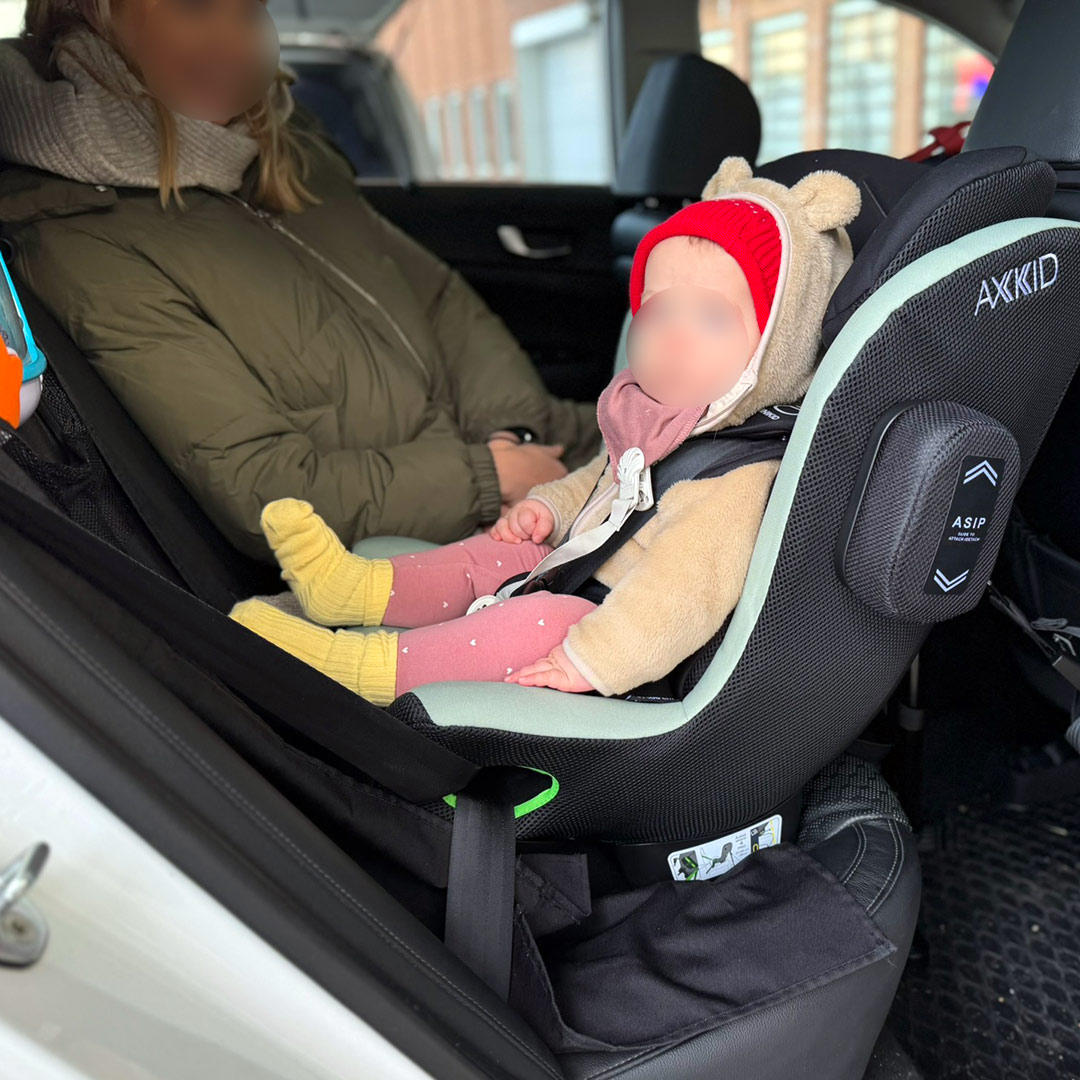
At meetings within TK242, situations constantly arise where unsuitable seats are sold or marketed in Sweden. There may also be tests of seats where a selection unsuitable for Sweden has been included. A discussion is then held with the involved and pressure may be in order.
If we look at how well the manufacturers follow our “Gentlemen’s Agreement”, we see that two large ones stand out and do an awesome job. Two other major manufacturers do an acceptable job. Then we have another previously dominant major manufacturer that now doesn’t care at all about rear facing. And finally we have one of the largest that completely ignores what is best for our young children and defies most recommendations.
In Sweden we try to make child safety in cars as simple as possible. First an infant seat, then rear facing until 4 years (preferably much longer longer) and finally booster seats (later a booster cushion). And absolutely no forward facing seats with harnesses for small children. Our strategy is simple, cheap and effective. Why don’t other countries do this? Can’t we have a “Gentlemen’s Agreement” in UK, France or Spain?
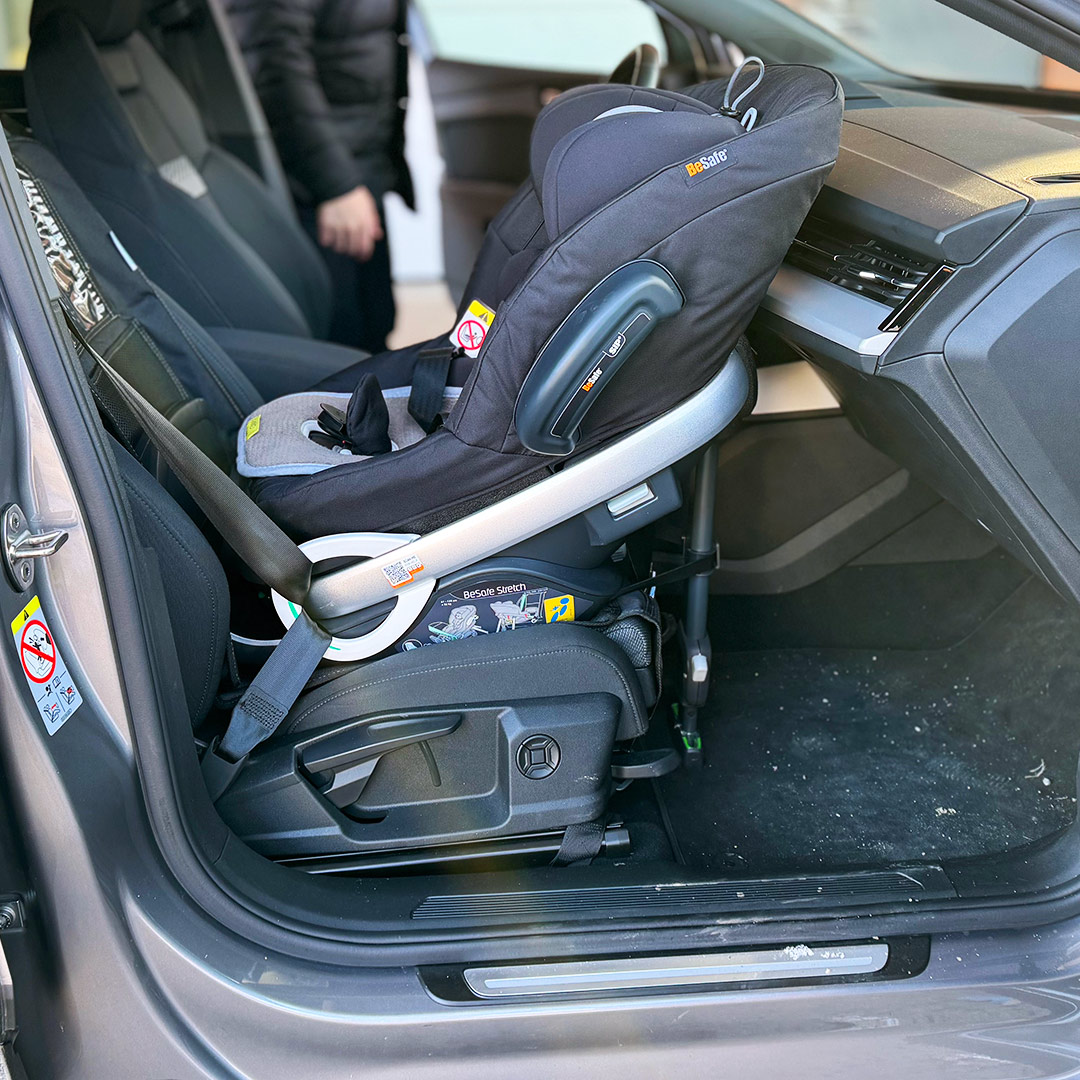
Of course you can easily do as Sweden does. Pretty much all countries suck at keeping small children safe in cars. It’s not a priority and parents are in general not interested preferring to focus on other nonsense. UK, France, Spain and many others are considered third world countries regarding child safety in cars. In the Nordics, Sweden is outstanding, Norway and Finland do a good job. Denmark is a disaster. The same applies to the rest of Europe. In general, like everything else in society, it gets worse the further down in Europe you go.
Things are improving but it’s a slow process. It may seem a bit strange since it is actually 2026 and we know what is safest for our children. But it requires long-term commitment and even enormous progress often receives little or no publicity. In many countries, car accidents are one of the most common causes of death for young children. Completely unnecessarily.
Sweden decided 50+ years ago that child safety in cars would always be a very high priority. Not just by enthusiasts but by pretty much EVERYONE. Politicians (left or right), state and private companies, organisations, manufacturers of cars and child seats and many others have been talking about rear facing for ages with the same goal. Unique, and impressive, that so many Swedes with very different backgrounds can agree and tirelessly focus on one goal.
To achieve success it’s helpful and inspiring to look at and imitate those who are already successful. We are patiently waiting for more countries to copy parts of Sweden’s strategy regarding child safety in cars. Preferably with a simple and effective “Gentlemen’s Agreement”. And save lots of children’s lives.